

PERFORMANCE, INJURY & RECOVERY
Support Recovery, Tissue Repair, and Physical Performance
Hyperbaric Oxygen Therapy is being explored as a supportive, science-based approach to enhance oxygen delivery, circulation, and cellular energy production, key factors that may influence recovery, injury healing, and overall physical performance.
OVERVIEW
The Recovery, Performance & Injury category focuses on conditions related to tissue damage, physical stress, and the body’s ability to recover and perform.
This category may include:
-
Sports Injuries
-
Muscle Recovery
-
Joint Pain
-
Soft Tissue Injuries
-
Overtraining & Physical Fatigue
Many of these conditions share underlying biological challenges, including inflammation, impaired circulation, and mitochondrial dysfunction affecting cellular repair and recovery.
Disruptions in these systems may influence healing timelines, performance capacity, and overall resilience.
CORE BIOLOGICAL THEMES
Recovery and injury-related conditions often involve:
-
Inflammation affecting tissue repair processes
-
Impaired circulation limiting oxygen and nutrient delivery
-
Oxygen delivery limitations affecting healing environments
-
Mitochondrial dysfunction reducing cellular energy for repair
-
Oxidative stress contributing to tissue damage
-
Structural tissue breakdown and repair imbalance
-
Reduced cellular regeneration capacity
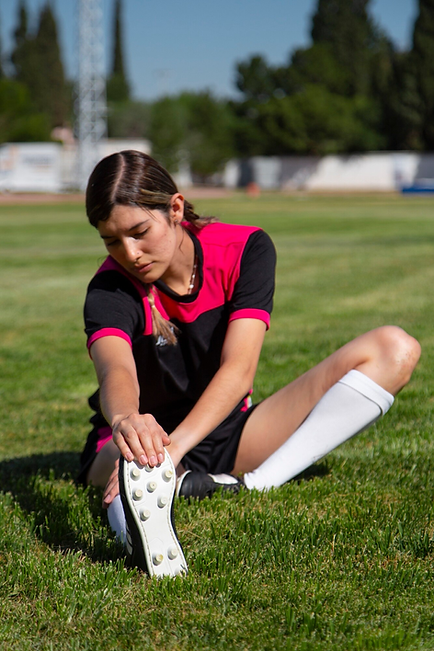
HOW HYPERBARIC OXYGEN THERAPY
SUPPORTS RECOVERY, PERFORMANCE & INJURY
Hyperbaric Oxygen Therapy (HBOT) is being studied for its ability to support recovery and tissue repair through enhanced oxygen delivery.
Key mechanisms may include:
1
Increased oxygen diffusion into injured tissues
2
Angiogenesis supporting new blood vessel formation
3
Stem cell signaling associated with tissue regeneration
4
Anti-inflammatory effects influencing recovery environments
5
6
Mitochondrial support enhancing ATP production
Activation of the Hyperoxic–Hypoxic Paradox (HHP) influencing adaptive healing responses
KEY MECHANISMS
HBOT may support recovery and performance through:
-
Enhanced oxygen delivery to damaged tissues
-
Support for mitochondrial energy production
-
Modulation of oxidative stress
-
Improved microcirculation supporting repair
-
Support for inflammatory balance
-
Cellular signaling associated with tissue regeneration
-
Support for overall recovery efficiency
WHO THIS APPLIES TO
This category may be relevant for individuals who:
-
Are recovering from surgery or injury
-
Experience joint pain or soft tissue discomfort
-
Want to improve recovery time and performance
-
Are athletes or physically active individuals
-
Experience overtraining or physical fatigue
-
Want to optimize recovery and resilience
WHY FULL-BODY THERAPY MATTERS
Recovery and performance are systemic processes involving circulation, oxygen delivery, and cellular energy across the body.
Full-body therapy may support recovery by:
-
Enhancing circulation throughout all tissues
-
Supporting oxygen delivery system-wide
-
Activating mitochondrial function across multiple regions
-
Influencing cellular signaling throughout the body
-
Supporting whole-body recovery and performance

HBOT + RED LIGHT THERAPY SYNERGY
Hyperbaric Oxygen Therapy and Red Light Therapy support recovery, performance, and cellular health by enhancing circulation, oxygen delivery, and energy production.
Red light therapy increases blood flow through vasodilation and stimulates mitochondrial activity, supporting ATP production and cellular energy.
HBOT increases oxygen availability in the blood and tissues under pressure, delivering the essential fuel required for cellular repair, regeneration, and metabolic function.
Together:
-
Enhanced circulation + oxygen delivery to tissues
-
Improved mitochondrial function + ATP production
-
Reduced inflammation + improved cellular environment
-
Increased efficiency of cellular repair and regeneration
👉 “1 + 1 = 3”
SCIENTIFIC CONTEXT
Research into recovery and injury focuses on:
1
Oxygen delivery and tissue healing environments
2
Mitochondrial function in repair processes
3
Circulation and vascular support
4
Cellular signaling involved in regeneration
DR. JASON SONNERS DISCUSSES PERFORMANCE, INJURY & RECOVERY AND HBOT:
