
HYPERBARIC OXYGEN THERAPY (HBOT) FOR
RADIATION RECOVERY SUPPORT
Support Tissue Recovery, Oxygen Delivery, and Cellular Repair After Radiation
Hyperbaric Oxygen Therapy (HBOT) is being explored as a physician-supported wellness approach to increase oxygen availability, support circulation, and enhance cellular repair — key factors that may influence tissue recovery, resilience, and overall physiological function following radiation therapy.
CONDITION OVERVIEW
Radiation therapy is commonly used in medical care to target specific tissues, but it may also impact surrounding healthy tissue, circulation, and cellular repair processes.
Following radiation, individuals may experience recovery challenges associated with tissue stress and reduced regenerative capacity, including:
-
Tissue damage or delayed healing in treated areas
-
Impaired microcirculation limiting oxygen and nutrient delivery
-
Chronic inflammation associated with tissue injury
-
Fibrotic changes affecting tissue flexibility and function
-
Mitochondrial dysfunction reducing ATP production
-
Oxidative stress impacting cellular stability
-
Reduced tissue regeneration and repair efficiency
These factors may influence how effectively tissues recover, adapt, and maintain function over time.
Oxygen & Cellular Energy Dysfunction
Radiation-affected tissues are often associated with reduced oxygen availability and impaired circulation, both of which are critical for healing.
Mitochondria require oxygen to generate ATP — the primary energy source for cellular repair, regeneration, and tissue maintenance. When oxygen delivery is compromised:
-
Reduced ATP production may impair tissue healing
-
Increased oxidative stress may disrupt cellular integrity
-
Impaired microcirculation may limit oxygen and nutrient delivery
-
Cellular fatigue may slow recovery processes
-
Reduced resilience may contribute to long-term tissue dysfunction
These disruptions are commonly associated with delayed healing and reduced tissue vitality.

HOW HBOT INTERACTS
(Mechanistic + Condition-Specific)
HBOT increases oxygen availability in the blood and tissues under pressure, supporting key biological processes involved in tissue recovery.
Key interactions may include:
1
Increased dissolved oxygen in plasma supporting tissue oxygenation
2
Support for microcirculation in radiation-affected tissues
3
Stimulation of angiogenesis (new blood vessel formation)
4
Mitochondrial support and improved ATP production
5
Modulation of inflammatory pathways in certain contexts
6
Support for tissue repair and regeneration processes
7
Activation of adaptive cellular responses such as the Hyperoxic–Hypoxic Paradox
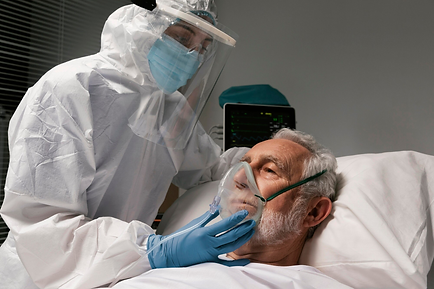
CONDITION-SPECIFIC MECHANISMS
In the context of radiation recovery, HBOT may support:
-
Oxygen delivery to hypoxic or compromised tissues
-
Support for angiogenesis and microvascular repair
-
Mitochondrial energy production supporting tissue regeneration
-
Modulation of inflammatory signaling associated with tissue stress
-
Support for structural tissue recovery and flexibility
-
Reduction of oxidative stress in certain physiological contexts
-
Improved efficiency of cellular repair and regeneration
Reported Benefits (Compliant)
Individuals exploring HBOT as part of a recovery-focused approach often report:
-
Improved tissue recovery following radiation exposure
-
Enhanced healing of affected areas
-
Improved comfort in treated tissues
-
Increased energy levels
-
Improved overall resilience and well-being
Experiences vary and are typically part of a broader recovery strategy.
Safety & Considerations
HBOT should be delivered under professional supervision, particularly in individuals recovering from medical treatment.
Key considerations include:
-
Coordination with healthcare providers when appropriate
-
Use of medical-grade, pressure-rated chambers
-
Proper oxygen delivery protocols
-
Monitoring by trained personnel
-
Individualized session planning
HBOT FLORIDA AUTHORITY SECTION
At HBOT Florida, sessions are delivered using medical-grade hyperbaric chambers designed to support safety, consistency, and optimal oxygen delivery.
Our approach emphasizes:
-
Controlled pressure environments
-
Professional oversight and safety protocols
-
Integration with full-body Red Light Therapy
-
A focus on systemic, cellular-level support
HBOT + Red Light Therapy Synergy
Hyperbaric Oxygen Therapy and Red Light Therapy support recovery, performance, and cellular health by enhancing circulation, oxygen delivery, and energy production.
Red light therapy increases blood flow through vasodilation and stimulates mitochondrial activity, supporting ATP production and cellular energy.
HBOT increases oxygen availability in the blood and tissues under pressure, delivering the essential fuel required for cellular repair, regeneration, and metabolic function.
Together:
-
Enhanced circulation + oxygen delivery to tissues
-
Improved mitochondrial function + ATP production
-
Reduced inflammation + improved cellular environment
-
Increased efficiency of cellular repair and regeneration
👉 “1 + 1 = 3”
SCIENTIFIC CONTEXT
Research continues to explore how oxygen availability influences recovery processes in radiation-affected tissues.
Areas of investigation include:
1
Angiogenesis and microvascular repair
2
Tissue oxygenation and cellular metabolism
3
Inflammatory signaling and recovery processes
4
Mitochondrial function and energy production
5
Tissue regeneration and structural recovery
These mechanisms are being studied within supportive and integrative approaches to recovery.
FREQUENTLY ASKED QUESTIONS (FAQ)
Does HBOT support recovery after radiation therapy?
HBOT is being explored as a supportive wellness approach to improve oxygen delivery, tissue repair, and recovery following radiation.
How many sessions are typically used?
Protocols vary depending on individual needs and recovery goals.
Can HBOT support tissue healing?
Some individuals report improvements in recovery and tissue resilience.
Is HBOT safe?
When delivered in a professional setting, it is generally well tolerated.
Can it be combined with other therapies?
Yes, it is often used alongside complementary recovery approaches.
DR. JASON SONNERS FROM HBOT USA DISCUSSES DEMENTIA AND HBOT:
STUDY
Cognitive Improvement in Older Adults with HBOT Read More
HBOT - A Novel Intervention for Alzheimer_s Disease Read More
HBOT for Alzheimer_s Dementia with Positron Emission Tomography Imaging - A Case Report Read More
HBOT for Alzhemier_s Disease Report Read More
HBOT Helps Preserve Cognitive Function In A Rat Model of Mild Cognitive Impairment Read More
HBOT Improves Cognitive Impairment Read More
HBOT Reduces Amyloid Plaques and Causes Large Gains in Blood Flow to the Brain Read More
Hyperbaric Oxygen Environment Can Enhance Brain Activity and Multitasking Performance Read More
Prophylactic Treatment of HBOT Mitigates Inflammatory Response via Mitochondria Transfer Read More
Treatment of Post-Anesthesia Dementia with Perispinal Etanercept Injection and HBOT- A Case Report Read More
SUPPORT BRAIN HEALTH WITH ADVANCED OXYGEN THERAPY
If you’re exploring ways to support cognitive function, energy, and overall brain health, we invite you to experience our medical-grade approach.
Book your introductory session for $99
Includes: Hyperbaric Oxygen Therapy + Complimentary Full-Body Red Light Therapy
HBOT Florida
4731 W. Atlantic Ave, Building B, Suite 21 Delray Beach, FL 33445
561-628-8583